Long before it became a country in 1971, this land was shaped by rivers, kingdoms, traders, poets, craftsmen and countless generations who built their lives around the fertile Bengal delta. From the ancient settlements of Pundra and Wari-Bateshwar to the Buddhist monasteries of Paharpur, the region has been part of vibrant civilizations and trade routes for more than two thousand years.
Over the centuries, Bengal became a meeting place of cultures. Hindu, Buddhist, Islamic and later European influences left their mark on its architecture, cuisine, language, music and traditions. The medieval cities of Sonargaon and Bagerhat grew as important centres of trade and culture, while the Mughals brought new architecture, gardens and urban traditions. Later, European traders arrived, adding another chapter to Bengal’s long relationship with the wider world.
The story continued through the British period, when Bengal became an important centre of commerce, education and intellectual life. The region also witnessed major social and political movements that helped shape modern South Asia.
In 1947, Bengal was divided, and the eastern part became East Pakistan. Yet its people continued to nurture a powerful sense of identity rooted in their language, culture and heritage. The Language Movement of 1952 became a defining moment, followed by a growing struggle for political and cultural rights.
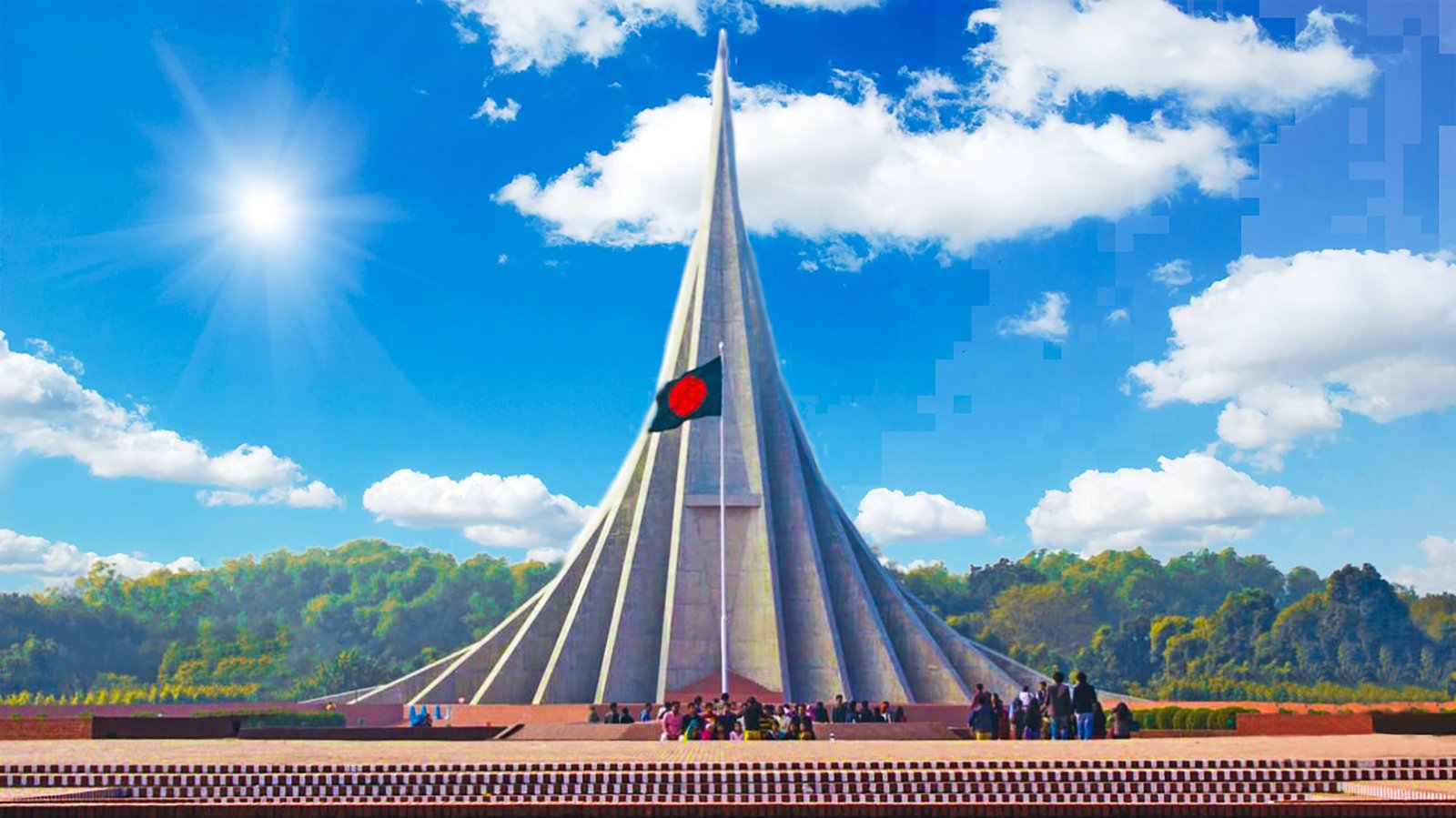
In 1971, after a devastating Liberation War, Bangladesh was born as an independent nation.
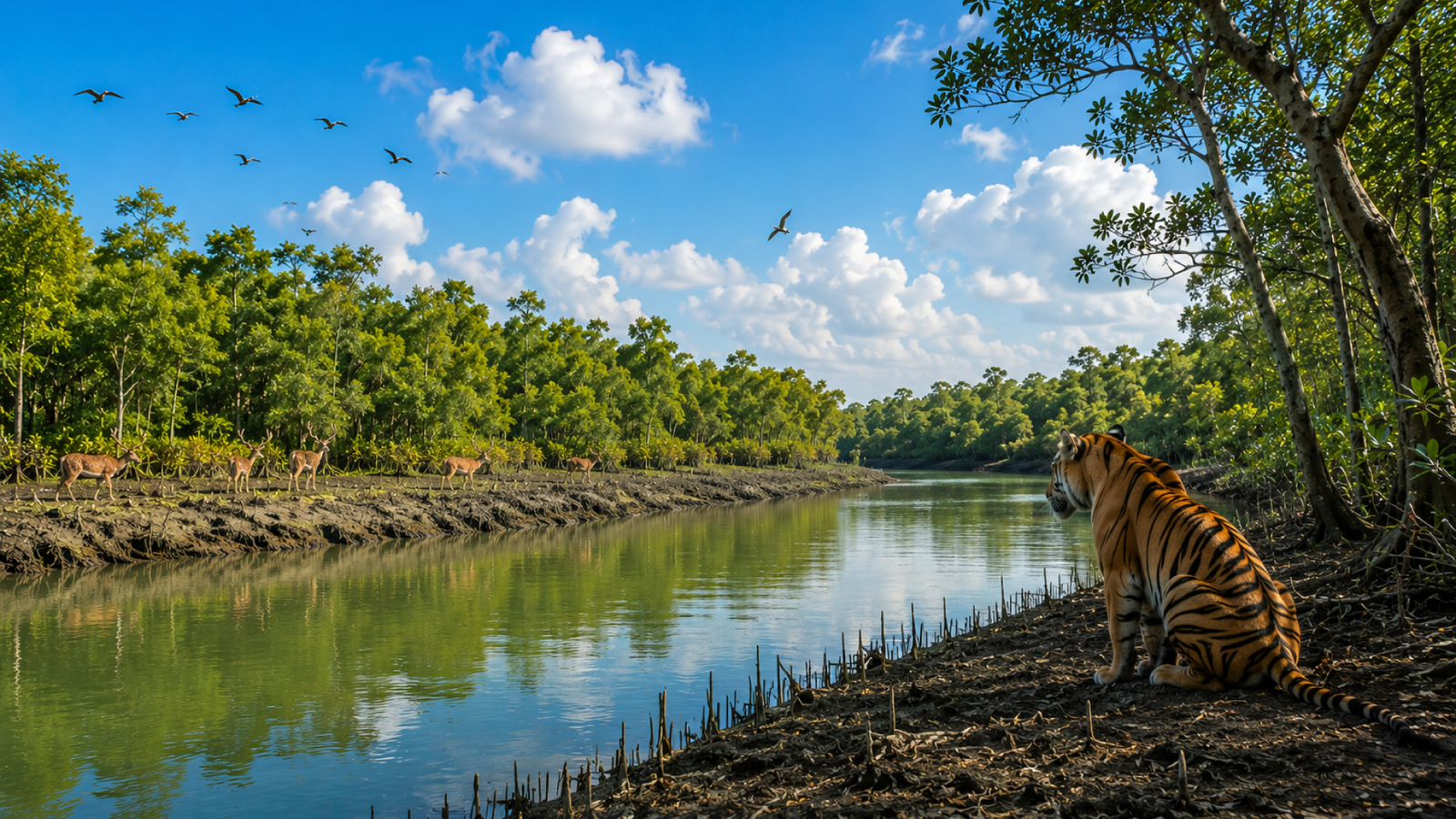
Today, Bangladesh is writing a new chapter. Its historic cities and archaeological treasures stand alongside a vibrant creative culture, thriving industries, innovative entrepreneurs and one of the world’s most dynamic economies. From the waterways of the delta to the streets of Dhaka, from the tea gardens of Sylhet to the mangrove forests of the Sundarbans, history here is not confined to museums—it lives in the landscape and in everyday life.
To travel through Bangladesh is to travel through layers of time.
Come for the history. Stay for the people, culture, landscapes and stories that continue to shape Bangladesh.